History of the Château
A dream of Louisiana and a touch of Italy
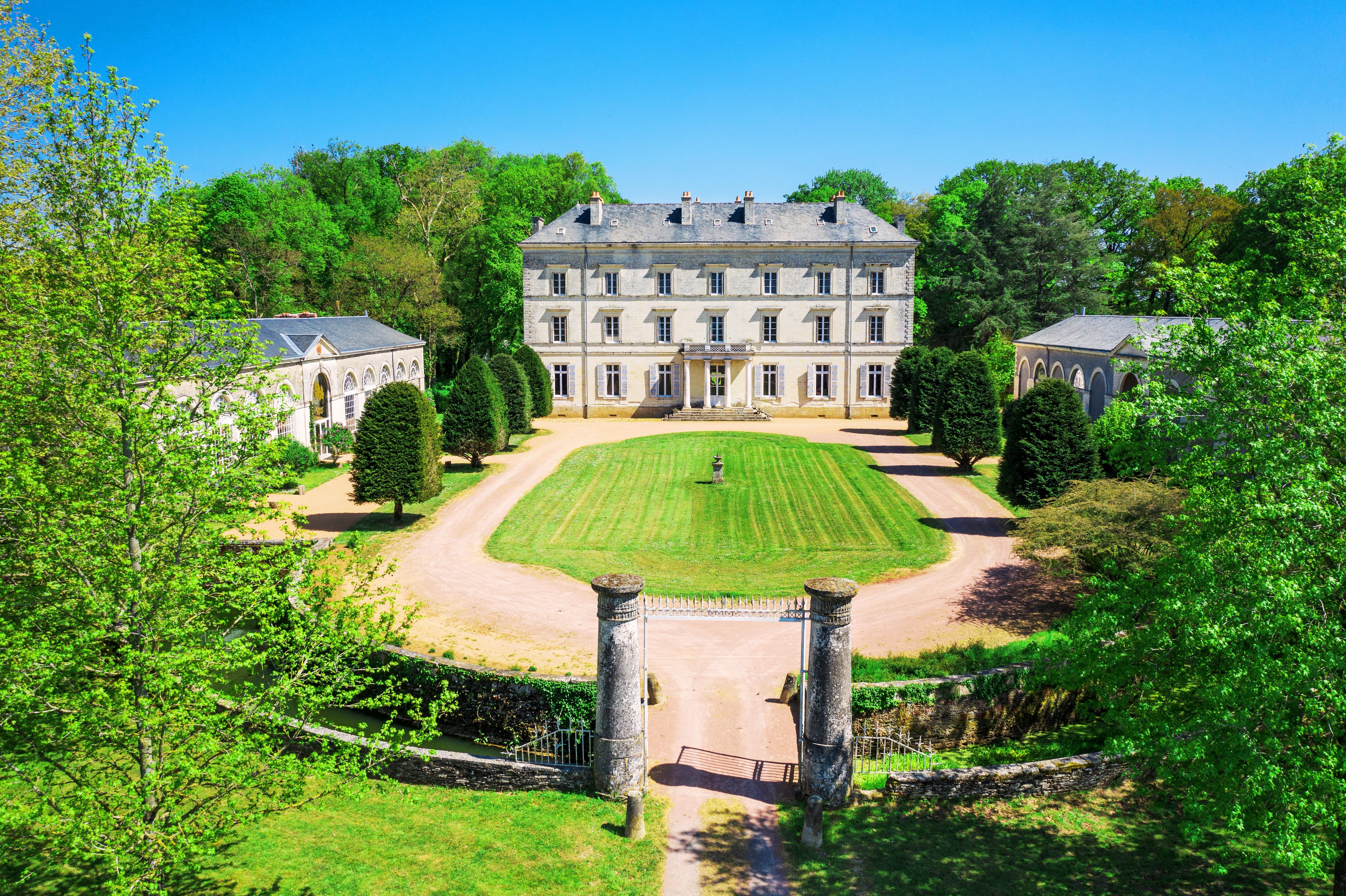
The Château de la Brûlaire has stood elegantly above the village of Gesté since 1825. The whiteness of its façade lights up the estate, together with its French formal garden, the orangery and the stables.
Bonaventure du Fou
1765 - 1833
A Nantes shipowner and owner of merchant vessels engaged in trade between Europe, Africa and the Americas, Bonaventure du Fou was born in 1765. The son of François-Joseph-Marie du Fou, former governor of Pontivy, he married Félicité Jogues in 1791, inheriting the maritime trading house of his father-in-law Pierre Jogues.
A respected and well-regarded figure, he became a member and then President of the Nantes Chamber of Commerce in 1812. He was appointed Chancellor of the Empire by Napoleon in 1812 and Officer of the Legion of Honour in 1814.
The "Folly" of la Brûlaire
1820 - 1830
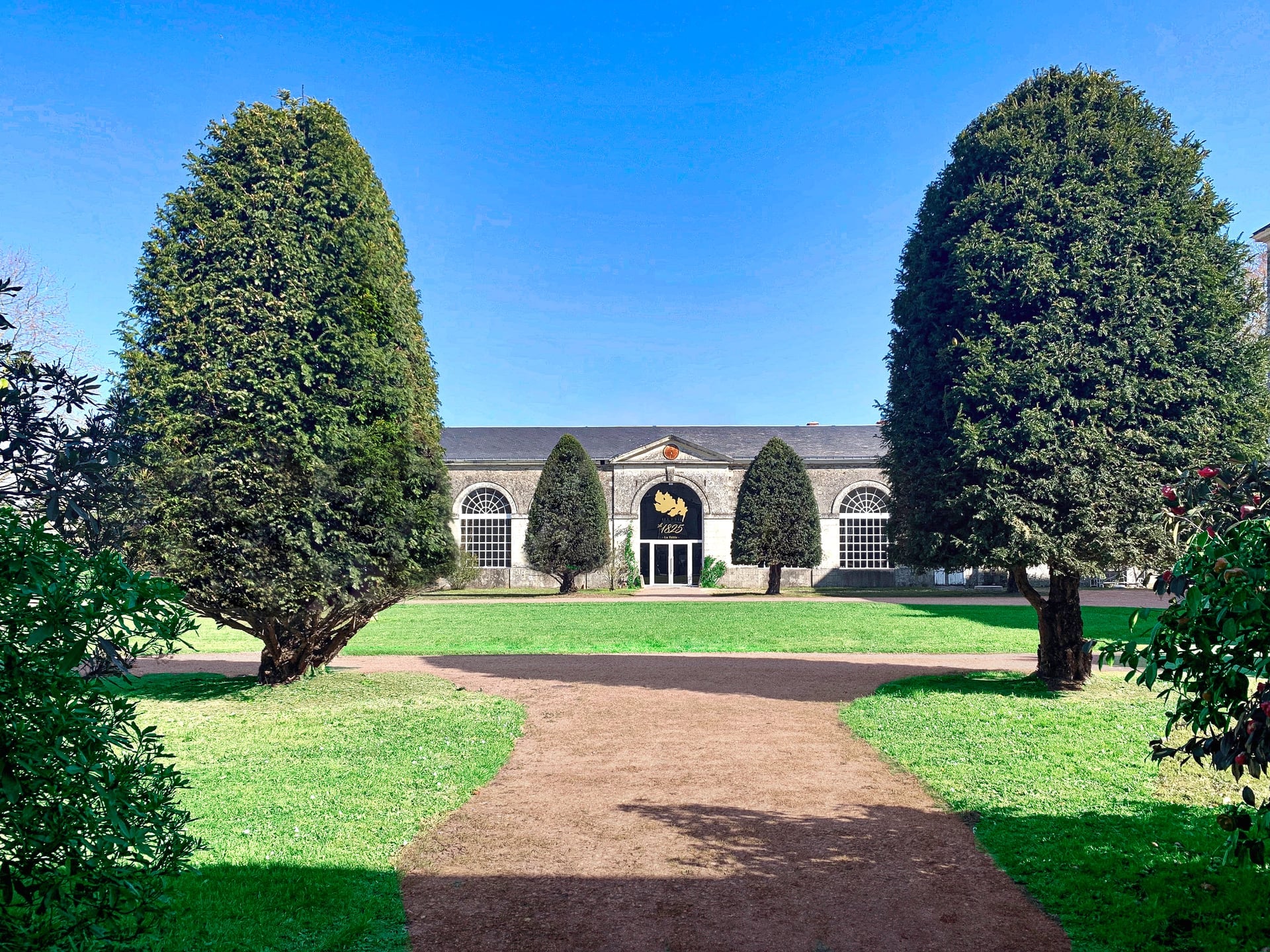
In 1820, Bonaventure du Fou decided to build "his folly", the Château de la Brûlaire and its outbuildings: the Orangery, the chapel and the stables. For the design, he called upon the renowned Nantes architect Saint-Félix Seheult (1793-1858).
The tuffeau stones used for the construction were transported on Loire barges to Ancenis and then by ox-cart to Gesté. Construction spanned several years, from 1820 to 1830.
It comes as no surprise to find here the style of the grand American Southern mansions with their white columns across the façade, bearing witness to the shipowner's voyages to the great ports of America.
Exceptional Architecture
Between Louisiana tradition and Italian influences
Louisiana Style
White columns inspired by the great houses of the American South
Italian Touches
The Steward's Pavilion and the columns in the park, inspired by Italy
Loire Tuffeau Stone
Noble stone brought from the Loire by barge and then by cart
Life at the Château
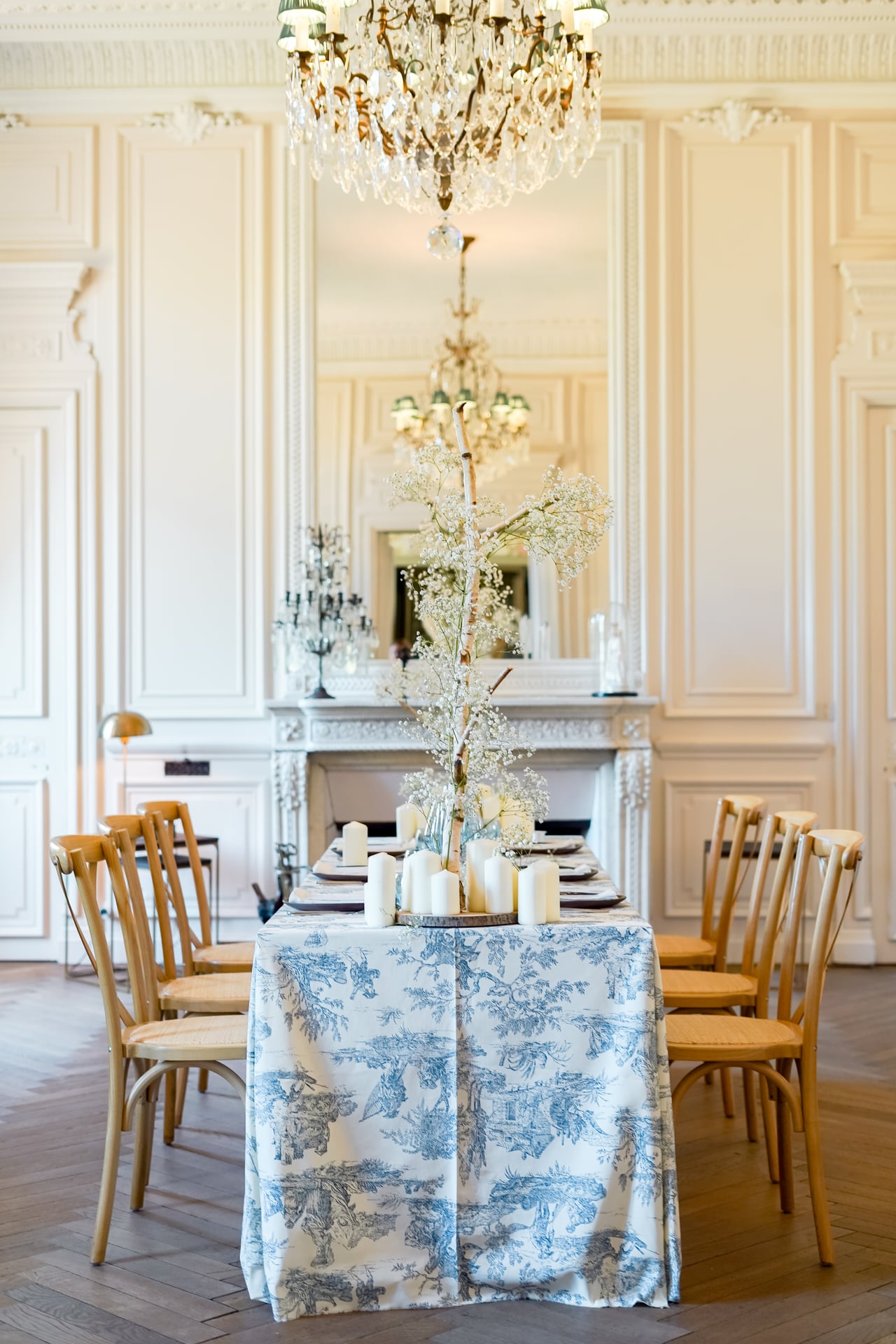
Besides the ground floor with its magnificent salons and a rich library, the château offered 5 suites and 23 bedrooms for guests. There was often a fine procession of riders and carriages setting out from Nantes to reach the "Folie du Fou".
Guests enjoyed the grand eighteenth-century salons with their furniture, mirrors, console tables, marble or Italian faience fireplaces, Indian porcelain services and silverware. Hunting, fishing, games and backgammon kept the guests occupied.
A Family Rooted in Gesté
Three generations of du Fou mayors in Gesté, from 1848 to 1957
1848 - 1852
Bonaventure du Fou (son)
The family's first mayor
1910 - 1917
Georges du Fou
Second generation
1945 - 1957
Even du Fou
Third generation
A New Chapter
Since 2025
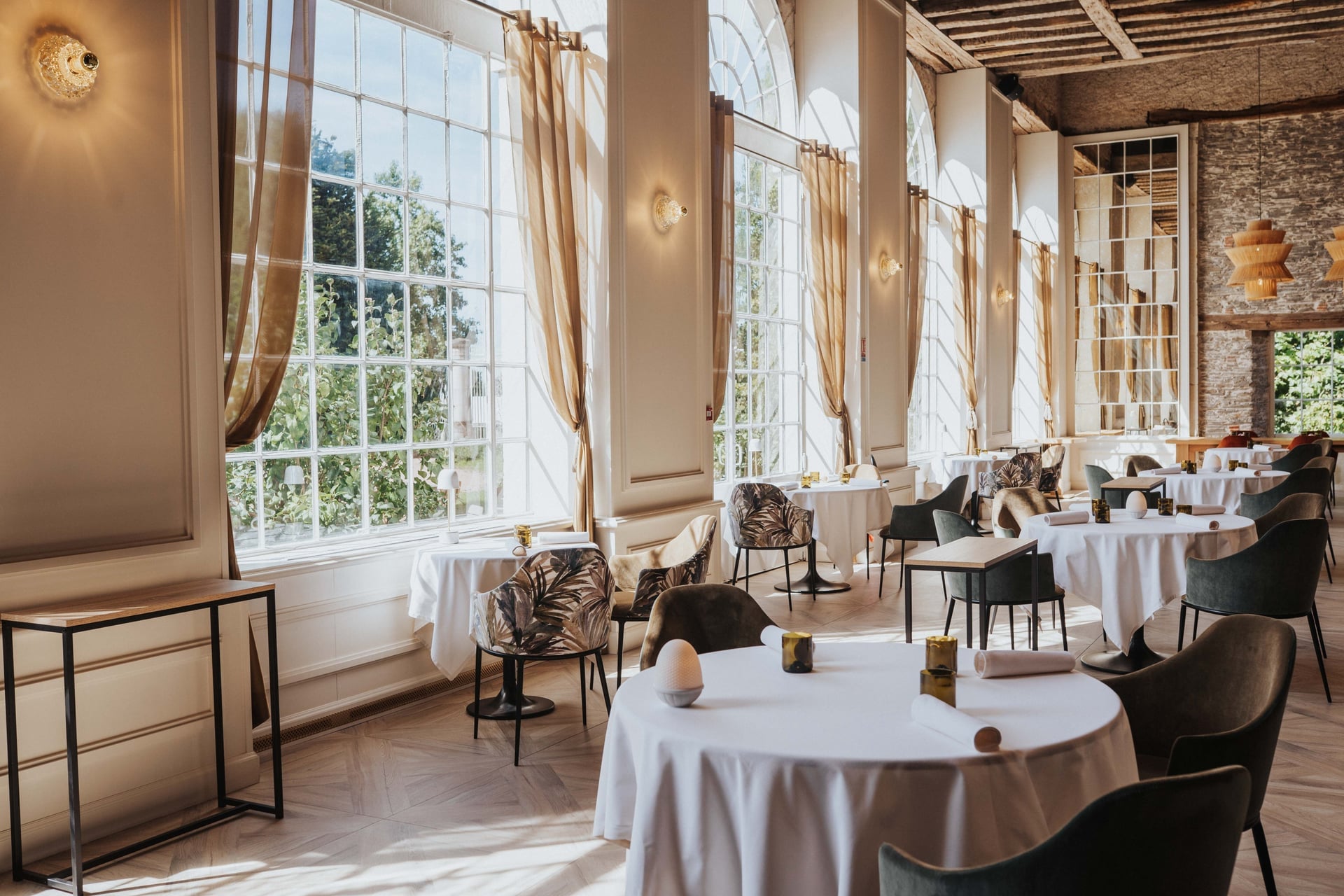
Following a revival in 2020 with the opening of the gastronomic restaurant “Le 1825” in the Orangery, Château de la Brûlaire joined the Lieux d'Exception network in 2025 and is dedicated to weddings and corporate events.
Timeline
1622
The seigneury of la Brûlaire belongs to Jean Le Fèbvre, esquire
1791
Marriage of Bonaventure du Fou and Félicité Jogues
1820 - 1830
Construction of the Château de la Brûlaire by the architect Saint-Félix Seheult
1833
Death of Bonaventure du Fou in Nantes
1848 - 1957
Three generations of du Fou mayors in Gesté
2020
Opening of the gourmet restaurant "Le 1825" and rebirth of the estate
2025
The Château joins the Lieux d'Exception network and dedicates itself to corporate events and weddings